


Why Ignoring Social Media Comments Costs You Customers
Ignoring social media comments is costing you customers by damaging brand trust, lowering your visibility in social algorithms, and missing direct sales opportunities. When customers feel unheard, they quickly pivot to competitors who offer active engagement and personalized responses, making consistent community interaction essential for retention and authority.
What happens when you ignore social media comments?
When a customer leaves a comment on your Facebook page, Instagram post, or LinkedIn update, they are extending a hand for a digital handshake. If you ignore that hand, the silence is loud. From the perspective of the consumer, a business that doesn't respond to comments is a business that doesn't care about its customers. This perception is particularly damaging for small and medium businesses that rely on local trust and personal relationships to compete with national giants.
Ignoring social media comments sends a message of indifference. In a world where transparency is a primary currency, an unmonitored comment section looks like an abandoned storefront. If a potential lead sees a question from three weeks ago that remains unanswered, they won't bother asking their own question. They will simply assume you are too busy or too disorganized to handle their needs. This "digital neglect" often results in a higher churn rate and a lower conversion rate for your paid social campaigns.
Furthermore, the psychological impact of being ignored cannot be overstated. Social media is built on the biological feedback loop of interaction. When a user engages with your brand, they are looking for validation or information. By failing to provide that, you are actively creating a negative emotional association with your logo. Over time, these missed interactions aggregate into a significant loss of market share as your audience migrates toward competitors who prioritize social media management as a core pillar of their operations.
Does ignoring comments hurt your organic reach?
Absolutely. Social media platforms like Meta, LinkedIn, and X use complex algorithms to determine which content gets shown to more people. One of the most significant factors in these algorithms is the "engagement rate." When you reply to a comment, you aren't just talking to one person; you are signaling to the platform that your post is generating a conversation. This triggers the algorithm to push your content to a wider audience, increasing your organic reach without spending an extra dime on Google ads .
If you are ignoring social media comments , you are essentially telling the algorithm that the conversation is dead. Platforms want to keep users on their site as long as possible. A vibrant, back-and-forth dialogue in the comments section keeps people scrolling and reading. When you fail to participate, you shorten the lifespan of your post. This lack of interaction leads to a downward spiral: lower engagement leads to lower visibility, which leads to even less engagement in the future.
Beyond just the social platforms, your social signals contribute to your broader search engine optimization efforts. While Google has traditionally kept the direct impact of social signals vague, there is a clear correlation between highly engaged brands and higher search rankings. An active social presence creates more brand mentions, more site traffic, and more opportunities for your content to be shared—all of which are vital for a healthy SEO profile. If your social pages are ghost towns, you are missing out on these indirect but powerful search benefits.
Why active engagement is vital for SEO and AEO
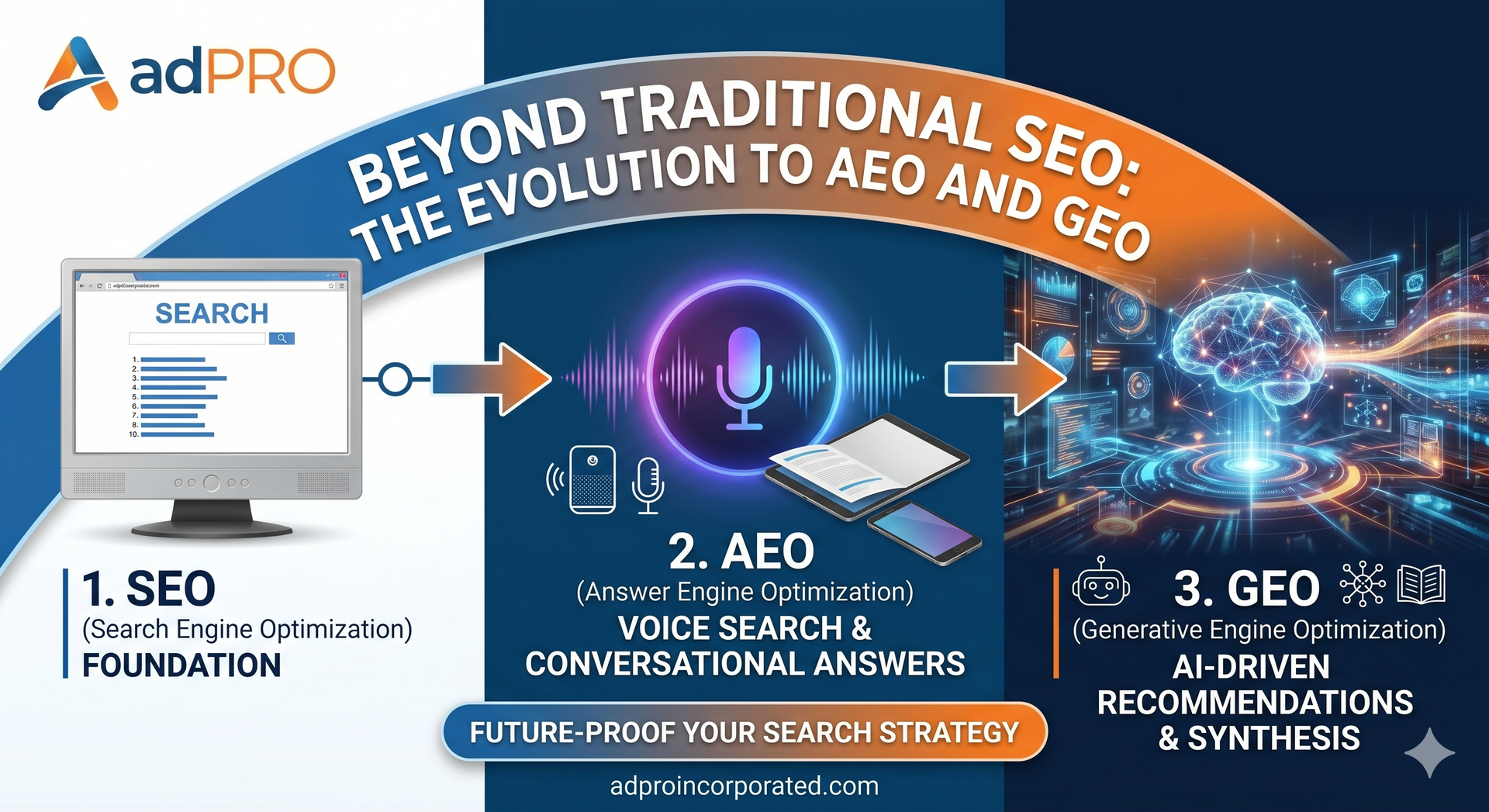
In the modern era of AEO and GEO Optimization , the way search engines and AI models perceive your brand is changing. AI answer engines like Perplexity, ChatGPT, and Gemini don't just look at your website; they look for consensus across the web. If your brand is frequently mentioned in positive, active social conversations, it builds your "Authority" and "Trustworthiness" (the A and T in E-E-A-T).
When you respond to comments with helpful, keyword-rich information, you are providing more context for these AI models to index. For example, if a customer asks about your specific website design services in Maryland and you respond with a detailed answer, that text becomes part of your brand's digital footprint. This helps search engines understand exactly what you do and where you do it, making it more likely you’ll appear in AI-generated answers and local search results.
Why is social media the new customer service front line?
For most modern consumers, especially those in the millennial and Gen Z demographics, social media is the preferred channel for customer support. Picking up the phone feels like a chore, and emails often feel like they are disappearing into a black hole. A comment or a direct message is fast, convenient, and public. When a customer asks a question in a public comment, they aren't just looking for an answer—they are testing your responsiveness in front of an audience.
If you provide a fast, helpful response, you transform a simple query into a public testimonial of your great service. Conversely, ignoring social media comments that contain complaints or support issues can lead to a PR disaster. A single unanswered complaint can be screenshotted and shared, gaining a life of its own. By treating your comment section as a customer service desk, you can resolve issues before they escalate and demonstrate your commitment to your clients.
Businesses that thrive today are those that integrate their digital marketing and advertising with their customer support. This synergy ensures that every dollar spent on bringing a customer to the door is protected by a support system that keeps them there. Remember, it is significantly more expensive to acquire a new customer than it is to retain an existing one through simple engagement.
Strategic benefits of active community management
Active community management is about more than just avoiding the negative; it's about proactively building a brand that people want to follow. When you engage with your audience, you gather invaluable data about what they like, what they need, and what their pain points are. This direct line of communication is a goldmine for product development and marketing strategy.
- Higher Conversion Rates: People buy from people they like and trust; engagement builds both.
- Increased Brand Loyalty: Acknowledging a fan makes them feel valued, turning casual followers into brand advocates.
- Market Research: Comments often contain the exact language your customers use to describe their problems.
- Algorithm Boost: Constant interaction keeps your content relevant and visible for longer periods.
- Competitive Edge: Many of your competitors are likely ignoring their comments—this is your chance to stand out.
Can ignoring negative comments be even more damaging?
Negative comments are a major source of anxiety for business owners, but ignoring them is the worst possible strategy. When a negative comment sits unanswered, it appears that you agree with the criticism or that you have no defense. It allows the unhappy customer to control the narrative of your brand. However, a well-handled negative comment can actually increase trust with other potential customers.
When you respond to a complaint with empathy and a desire to make things right, you show that your company has integrity. Other people reading the thread will see that even when things go wrong, you are there to fix them. This transparency is incredibly powerful in building long-term reputation. It also prevents the "pile-on" effect where other users join in on the negativity because they see that the business isn't paying attention.
Of course, there is a difference between a legitimate complaint and a "troll." Community management involves discerning when to engage and when to simply hide a comment that violates community standards. For most small businesses, focusing on the legitimate questions and feedback will yield the best results for your Reviews and overall brand health.
Best practices for community management
Managing a growing social presence can be overwhelming, but it doesn't have to be. The key is to have a system in place that ensures no comment goes unnoticed. Whether you handle it in-house or partner with an agency for social media management , consistency is the most important factor. You don't need to be online 24/7, but you should have a predictable response window.
- Set a Schedule: Dedicate 15-30 minutes twice a day specifically for responding to social engagement.
- Use a Unified Inbox: Use tools that bring all your platform comments into one single dashboard.
- Develop a Brand Voice: Ensure your responses are consistent in tone and style across all platforms.
- Personalize Responses: Avoid generic "thanks for the comment" replies; address people by name when possible.
- Move Private Issues to DM: If a comment requires personal data, politely ask to move the conversation to private messages.
The takeaway for small business owners
Ignoring social media comments is a silent budget-killer. It undermines your marketing efforts, weakens your relationship with your audience, and tells the social algorithms that your content isn't worth sharing. In an age where digital interaction is the primary way people connect with brands, being present in the conversation is no longer optional—it is a fundamental requirement for growth.
To ensure your business stays ahead of the competition and maintains a strong digital presence, keep these three points in mind:
- Engagement is a growth lever: Every reply is an opportunity to boost your reach and reach new customers.
- Trust is built in public: How you handle questions and complaints in the comments defines your brand reputation.
- Consistency beats intensity: You don't need a viral post; you need a consistent habit of showing up for your audience.
Ready to take your digital presence to the next level? Whether you need help with SEO for Real Estate or a comprehensive web design for small businesses , we are here to help. Contact us today to learn how adPRO can help you build a strategy that works.
It's Your Business, Let's Build it!
We will get back to you as soon as possible.
Please try again later.