
7Cs of Web Design: 7 Ways to Win More Customers
The 7Cs of web design—Context, Content, Community, Customization, Communication, Connection, and Commerce—provide a comprehensive framework for creating high-performing websites. By balancing these seven elements, businesses can improve user experience, boost search rankings, and increase conversion rates through a more cohesive and user-centric digital presence.
What Are the 7Cs of Web Design?
The 7Cs of web design framework originated as a tool for researchers and digital marketers to analyze how effectively a commercial website engages its users. In today’s competitive digital landscape, these principles are more relevant than ever. At adPRO, we’ve spent over 25 years helping businesses understand that a website is not just a digital brochure; it is a complex ecosystem. Each "C" represents a pillar of the user journey, starting from the visual layout (Context) and moving through the information provided (Content) to the final transaction (Commerce). By evaluating your site against these criteria, you can identify performance gaps that might be driving potential customers away. This holistic approach ensures that your website design isn't just beautiful but is also functionally sound and strategically aligned with your overarching business goals.
Why Is Context Critical for Modern Sites?
Context refers to the aesthetic and functional environment of your website. It is the first thing a user perceives—the look, feel, and navigation of the interface. In 2026, context is largely defined by mobile responsiveness and accessibility. If your site’s layout is cluttered or difficult to navigate, users will bounce before they ever read your content. A high-quality context prioritizes a clean visual hierarchy, ensuring that the most important information is easily found. For web design for small businesses , establishing the right context means aligning the design with the brand’s local identity. Whether you are using a minimalist approach or a high-energy corporate style, the context must remain consistent across all pages. Elements of good context include:
- Intuitive navigation menus
- Consistent color palettes and typography
- Fast loading times across all devices
- Strategic use of whitespace to reduce fatigue
- Accessible design for all user abilities
Essential Content Strategies for High Conversion
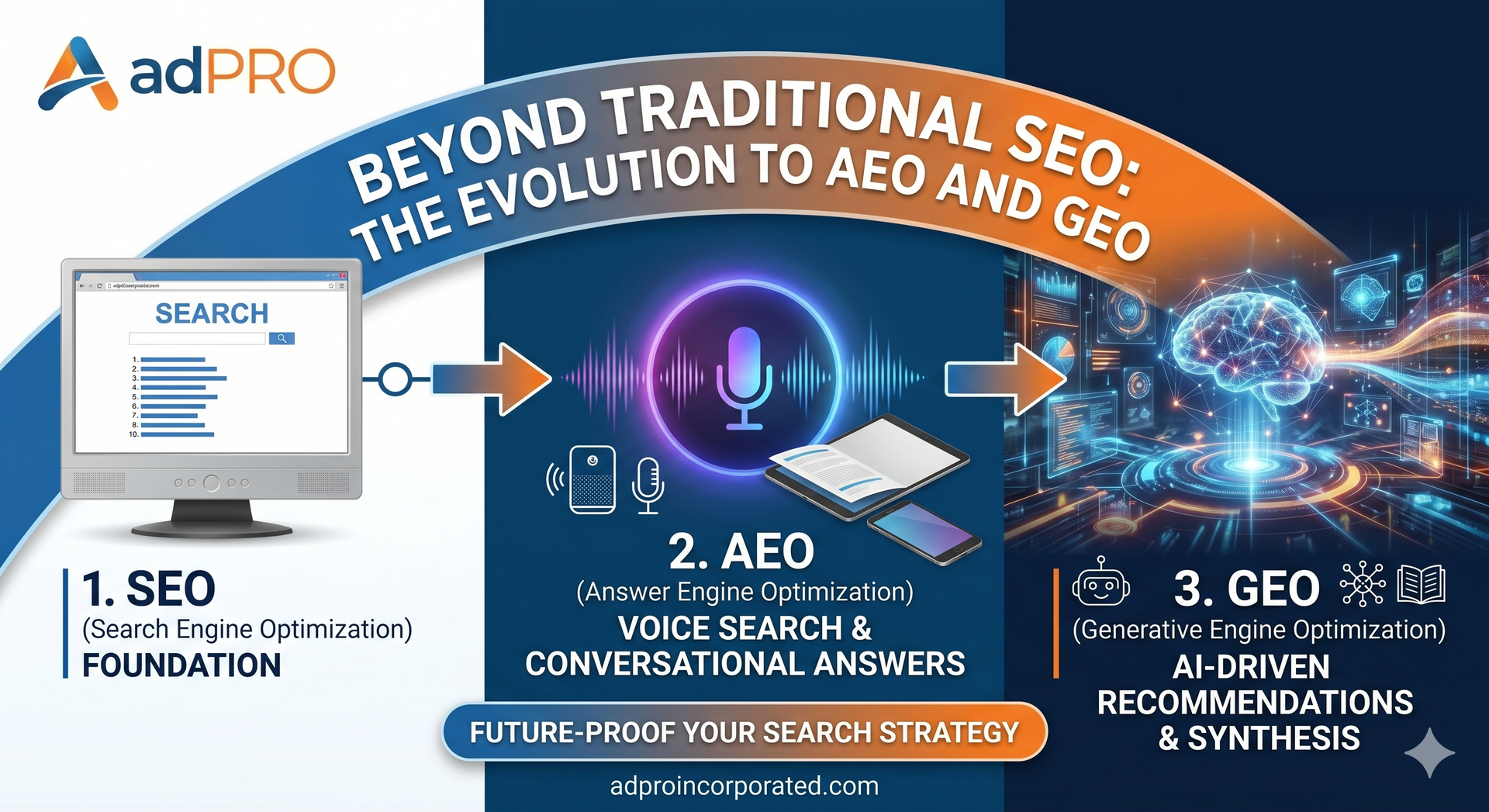
Content is the substance of your site. It includes text, images, video, and audio—basically, everything that delivers information to the user. Effective website design requires a content strategy that balances SEO requirements with user value. While you need keywords to rank, you need compelling narratives to convert. Content should be organized into digestible chunks, using headings and bullets to improve readability. This is also where AEO comes into play; by structuring your content to answer specific questions, you improve your chances of appearing in AI-driven search results. High-value content establishes authority, builds trust, and moves the visitor closer to a purchasing decision. It should always be updated to reflect the latest industry trends and customer pain points.
Can Community Building Improve Your SEO?
Community refers to the interaction that occurs between users on your website. While not every business site needs a forum or a social network, fostering a sense of community can significantly boost your search engine optimization efforts. When users engage with your brand—through comments, reviews, or user-generated content—they spend more time on your site, signaling to search engines that your content is valuable. Community features transform a static site into a dynamic platform. At adPRO, we often recommend community-building tactics to increase brand loyalty and recurring traffic. Even simple integrations can make a difference in how users perceive your brand's accessibility and authority. Key community elements often include:
- Integrated customer review sections
- Active blog comment areas
- Member-only resource portals
- Social media feed integrations
- User-generated photo galleries
How Does Customization Influence User Retention?
Customization is the website’s ability to tailor itself to different users or allow users to personalize their own experience. This could be as simple as remembering a user's name or as complex as offering dynamic content based on browsing history. In a world where consumers expect personalized experiences, customization is a major competitive advantage. It reduces friction by showing users what they are most likely to be interested in. For many service-based businesses, customization might involve personalized quote builders or localized content based on the visitor's geographic area. This level of detail shows that you understand your audience, which is a core tenet of our aeo and geo optimization strategies. Effective customization leads to higher engagement rates and a more memorable user journey.
Mastering Communication and Connection
Communication and connection are two distinct but related elements of the 7Cs. Communication refers to the dialogue between the site and its users, such as contact forms, chatbots, and email signups. It’s about how you talk to your customers. Connection, on the other hand, refers to the degree to which your site is linked to other sites, social media platforms, or external resources. A site that is well-connected appears more authoritative to search engines. Mastering these requires a balance of internal and external links that guide the user through a logical information path. When we develop our web design process , we prioritize clear calls to action (CTAs) that facilitate immediate communication while ensuring the site remains part of a larger digital ecosystem through healthy outbound connectivity.
The Role of Commerce in Digital Success
Commerce is the final C, focusing on the website's ability to facilitate transactions. Even if you don't run a traditional e-commerce store, your site usually has a commercial goal—whether that’s booking a consultation, downloading a whitepaper, or requesting a quote. The commerce aspect of design must be seamless. Any friction during the checkout or sign-up process can lead to abandoned carts and lost revenue. This involves secure payment gateways, clear pricing, and straightforward forms. A successful commerce strategy integrates with your digital marketing and advertising efforts to ensure that the traffic you pay for actually results in measurable business growth. Every design choice should ultimately support this commercial intent, making it as easy as possible for the customer to say "yes" to your offering.
Integrating the 7Cs into Your Marketing Strategy
Integrating the 7Cs of web design into your broader marketing strategy requires a shift from viewing your website as a static object to seeing it as a performance engine. It starts with research—understanding the context of your industry and the specific needs of your community. From there, you build out content that connects with customization and communication tools. This integrated approach ensures that every dollar spent on advertising is backed by a website capable of converting that interest. At adPRO, we emphasize that a strategy built on data always outperforms guesswork. By auditing your current site against these seven pillars, you can create a roadmap for continuous improvement. This level of strategic planning is what separates market leaders from those who are simply online, ensuring long-term sustainability and growth.
Conclusion: Your Path to a High-Performing Website
Mastering the 7Cs of web design is an essential step for any business looking to dominate their market in 2026. By focusing on Context, Content, Community, Customization, Communication, Connection, and Commerce, you create a digital experience that resonates with both users and search engines. These principles ensure your site is functional, engaging, and conversion-oriented. At adPRO, we have used this framework for over two decades to help Southern Maryland businesses and national clients alike achieve their digital goals.
Key Takeaways for Your Website:
- Prioritize mobile-first Context to reduce bounce rates.
- Use Customization to create personalized user journeys.
- Optimize Content for both SEO and AI-driven AEO.
- Simplify Commerce paths to maximize total conversions.
- Foster Community to build long-term brand authority.
Ready to transform your site? Evaluate your current presence, identify which "C" needs the most attention, and start your journey toward a more effective digital strategy today.
It's Your Business, Let's Build it!
We will get back to you as soon as possible.
Please try again later.