
Use Local Search Ranking Experts to Grow in 2026
To boost local search rankings, you must partner with experts who specialize in proximity-based optimization. This process involves refining your Google Business Profile, ensuring citation consistency, and developing hyper-local content. Local search ranking experts use data-driven strategies to secure placements in the Google Map Pack and organic search results for nearby customers.
What defines a local search ranking expert?
In the rapidly evolving landscape of digital marketing, a local search ranking expert is more than just someone who knows how to use keywords. These professionals are strategists who understand the intersection of geography, user intent, and search engine algorithms. Since 1999, adPRO has witnessed the transition from physical phone books to the sophisticated AI-driven search environments we navigate today. An expert in this field focuses specifically on making a business visible to people within a specific geographic radius. This is critical because nearly half of all Google searches have local intent.
When you look for an expert to help your business, you are looking for someone who understands that Search Engine Optimization is not a one-size-fits-all solution. A true expert analyzes your specific market—whether that is in Calvert County or across the United States—and identifies exactly where your competitors are winning and where they are vulnerable. They manage technical details like schema markup, which helps search engines understand your physical location, and they handle the nuance of local link building, which signals to Google that your business is a pillar of the local community.
How do I improve my local business search visibility?
Improving your visibility starts with a comprehensive audit of your current digital presence. Many small to mid-size businesses struggle because their information is inconsistent across the web. To improve your local search rankings, you need to follow a structured approach that prioritizes the factors search engines value most.
Experts typically recommend focusing on these five core areas:
- Google Business Profile (GBP) Optimization: This is the most important factor for local visibility. Your profile must be complete, verified, and regularly updated with new photos and posts.
- Local Citation Building: Ensuring your name, address, and phone number (NAP) are identical across directories like Yelp, Yellow Pages, and local chamber of commerce sites.
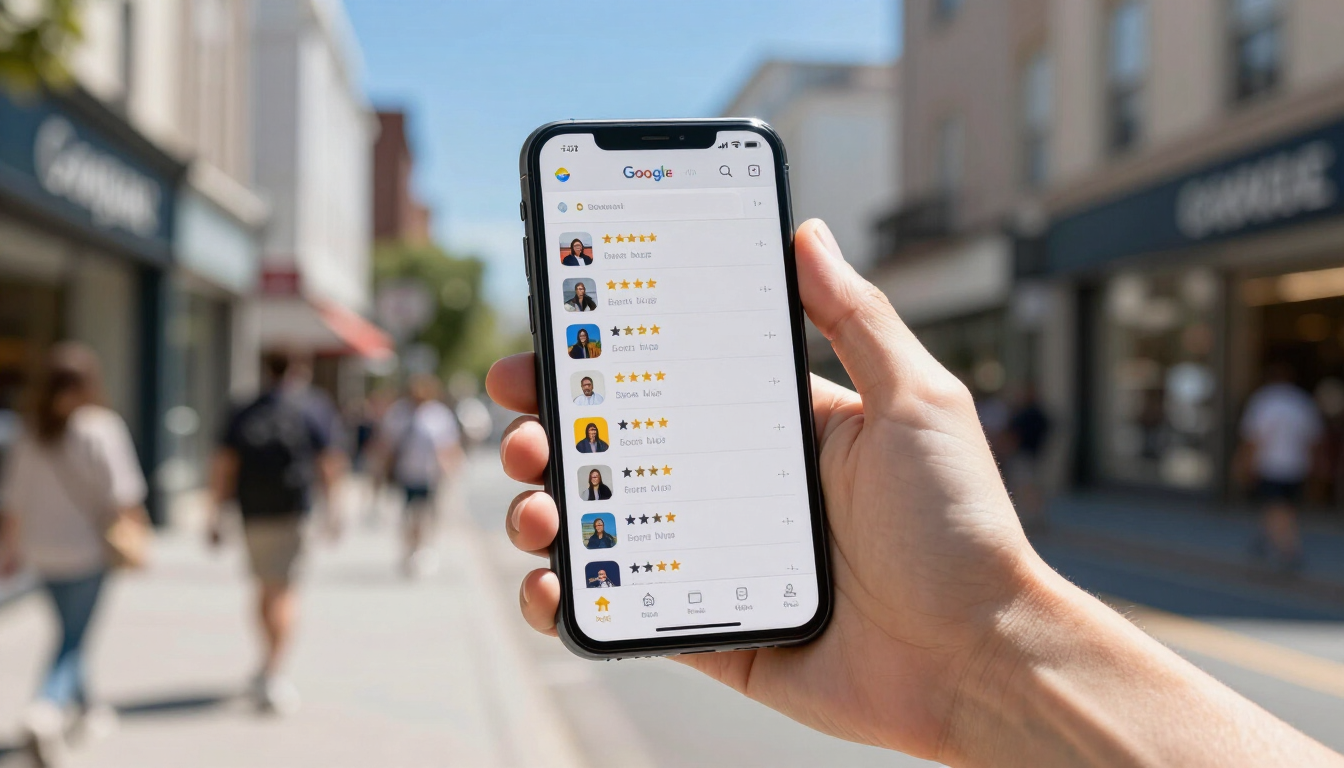
- Review Management: Actively soliciting and responding to customer reviews. High-quality, positive reviews significantly boost your credibility and ranking.
- On-Page Local SEO: Including your city and service areas in your website’s meta tags, headers, and content.
- Mobile Responsiveness: Since most local searches happen on the go, your site must load quickly and look great on smartphones.
Working with an agency that understands Web Design Southern Maryland ensures that your website is not just a digital brochure but a high-performing lead generation tool optimized for local traffic. At adPRO, we have seen that a strategy built on data always outperforms one built on guesswork.
Essential Components of a Modern Local SEO Strategy
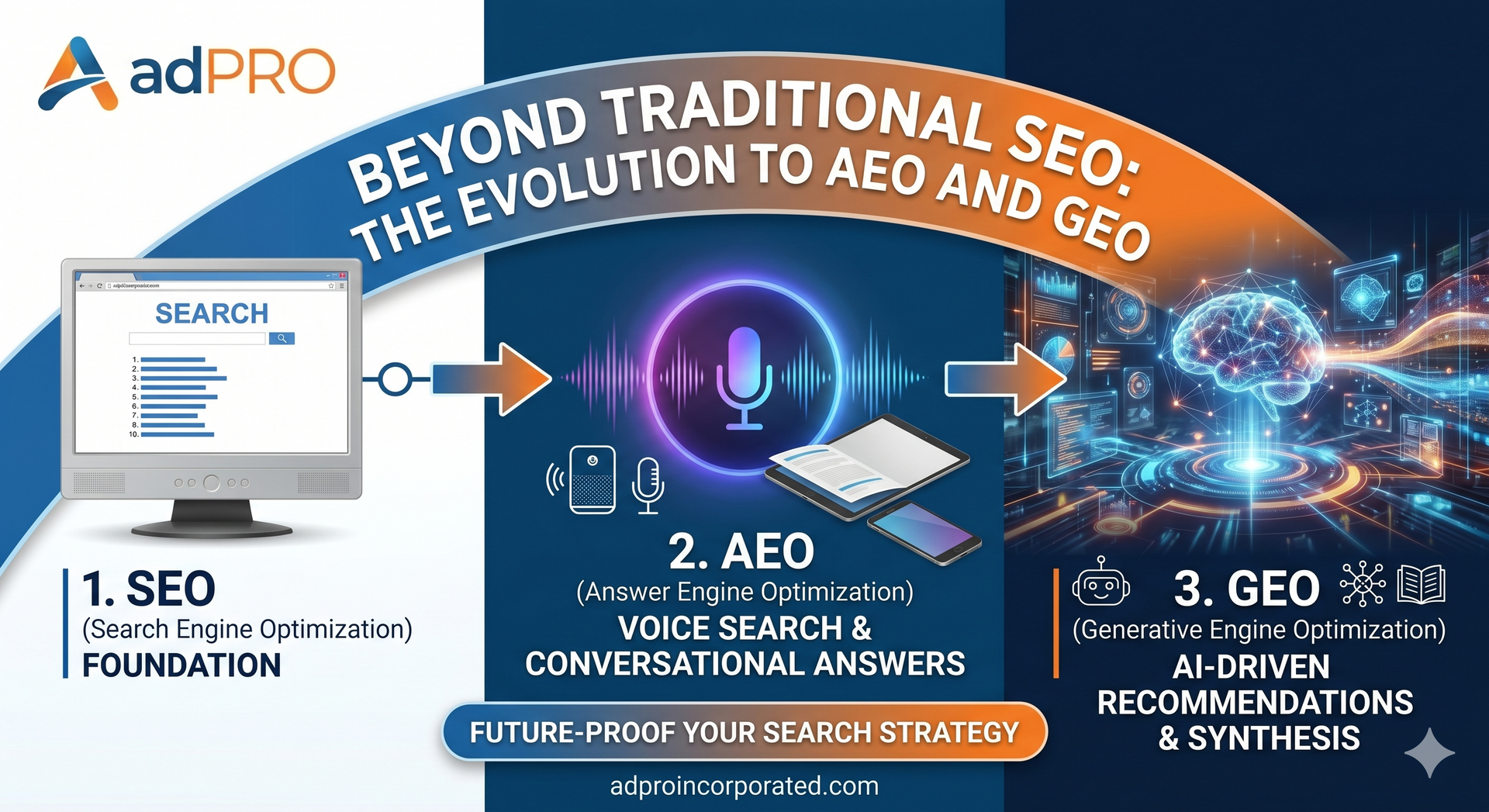
A modern strategy for improving local search rankings requires a multi-faceted approach. It is no longer enough to just have a website; you need a digital ecosystem that communicates authority and relevance. One of the most significant shifts in recent years is the move toward AEO and GEO Optimization . Answer Engine Optimization (AEO) ensures that when a user asks a voice assistant or an AI like ChatGPT for a local recommendation, your business is the one suggested.
To achieve this, experts implement structured data and FAQ sections that answer specific customer questions. For example, instead of just listing "Plumbing Services," an expert might create content around "What is the best way to fix a burst pipe in Prince Frederick?" This type of natural language content matches how people actually speak and search in 2026. Furthermore, your strategy must include high-quality visual content. Search engines are increasingly using image recognition to understand what a business offers, so professional photos of your work, your team, and your location are mandatory for success.
Another essential component is localized link building. Unlike traditional SEO, where any high-authority link is good, local SEO thrives on links from other local businesses, news outlets, and community organizations. These links act as digital votes of confidence, proving to search engines that your business is deeply rooted in the community.
Here is a breakdown of how traditional organic SEO differs from a modern, proximity-based local SEO strategy:
Organic SEO vs. Proximity-Based Local SEO
| Strategy Element | Traditional Organic SEO | Proximity-Based Local SEO (adPRO) |
|---|---|---|
| Primary Target | Global or national audience | High-intent customers within a specific geographic radius |
| Main Ranking Factors | Domain authority, backlinks, comprehensive content | Google Business Profile accuracy, proximity, local reviews |
| Search Engine Real Estate | Standard organic blue links | The Google Map Pack and localized organic results |
| Keyword Intent | Informational or broad commercial intent | Transactional local intent (e.g., "near me" or specific city searches) |
| Core Optimization | Site-wide blog content and technical site structure | Localized schema markup, regional landing pages, and NAP consistency |
Measuring the Impact of Your Local Search Strategy
Partnering with local search ranking experts allows you to track specific, tangible data points that demonstrate a clear return on investment. You should move beyond vanity metrics like total website impressions and look closely at indicators that directly impact your bottom line:
- Map Pack Impressions and Actions: Tracking how often your business appears in the Google Map Pack and, more importantly, how many users click to call your business, request directions, or visit your website directly from that map placement.
- Local Phone Call Volume: Utilizing call tracking to measure exactly how many phone inquiries are generated directly from your optimized Google Business Profile and local landing pages.
- Direction Requests: Monitoring how many potential customers are actively asking Google Maps to navigate to your physical storefront or office location.
- Local Keyword Dominance: Tracking your ranking positions for high-value phrases combined with your target cities and counties, ensuring you outrank local competitors where it matters most.
The Bottom Line: If your business relies on local customers, your digital footprint must be optimized for proximity. A beautiful website is useless if the people driving past your office everyday can't find you on their smartphones.
Ready to outrank the competition and dominate the Google Map Pack in your service area? Let's build a data-driven local SEO ecosystem that turns nearby searchers into loyal clients.
It's Your Business, Let's Build it!
We will get back to you as soon as possible.
Please try again later.