
Website Design & SEO News banner with purple laptop, magnifying glass, and analytics charts
June 14, 2026

How Long to Run Banner Ads for Clicks & Sales (2026)

Share this article

Most banner ads require 2 to 4 weeks to gain enough data for initial optimization, while reaching peak sales performance usually takes 30 to 90 days . This timeline allows ad algorithms to finish their 'learning phase' and accounts for the multiple touchpoints consumers need before making a purchase.

How long does it take for a banner ad to start working?

When launching a new campaign, the desire for immediate results is natural. However, digital advertising is rarely an overnight success. In the first 7 to 10 days, your ads are essentially in an observation stage. During this period, the platform is testing your creative against different segments of your target audience to see who is most likely to engage.

At adPRO, we have seen that consistency is the most critical factor during these early weeks. If you pull the plug after only five days because you haven't seen a massive influx of sales, you are effectively stopping the experiment before the data becomes statistically significant. Clicks usually begin to trickle in within the first 48 hours, but these early clicks are often high-cost and less targeted. As the system gathers data, the cost per click (CPC) tends to stabilize, and the quality of the traffic improves. For businesses in Southern Maryland and across the U.S., patience in the first month is what separates successful campaigns from failed ones.

What is the digital ad 'learning phase'?

Modern advertising platforms like Google ads use machine learning to deliver your banner ads to the right people. The 'learning phase' is the period during which the algorithm gathers enough performance data to optimize your ad delivery. For most platforms, this requires roughly 50 conversion events within a 7-day window.

If your goal is sales, the algorithm needs to see who is actually buying to find more people like them. During this phase, performance may be volatile. You might see a high volume of clicks one day and none the next. It is vital to avoid making major changes to your budget or creative during this time, as doing so can reset the learning phase, forcing the algorithm to start from scratch. This technical requirement is a primary reason why banner ads need a sustained run-time to prove their value. Understanding this process is a core part of our approach to Digital Marketing and Advertising .

Digital Marketer Analyzing Ad Performance

Factors Influencing Banner Ad Clicks and Sales

Several variables dictate how quickly your banner ads will generate a return on investment. It is not just about the ad itself, but the entire ecosystem surrounding the user’s click.

  1. Brand Awareness: If your brand is already well-known, users are more likely to click. New brands often require a longer 'warm-up' period where ads focus on impressions rather than immediate sales.
  2. Offer Strength: A compelling offer, such as a significant discount or a free trial, will always generate clicks faster than a generic 'learn more' message.
  3. Creative Quality: High-quality visuals and clear calls-to-action (CTAs) are non-negotiable. Ads that blend into the background or look like spam will be ignored.
  4. Sales Cycle Length: If you are selling a $20 t-shirt, the sale might happen on the first click. If you are a contractor looking for a $50,000 kitchen remodel, the 'sale' (a lead) may take weeks of repeated exposure.
  5. Targeting Precision: Overly broad targeting leads to wasted spend, while overly narrow targeting may prevent your ads from ever leaving the learning phase.

At adPRO, we emphasize that your Website Design plays a massive role here. An ad can only do so much; if the landing page is slow or confusing, those hard-earned clicks will never turn into sales.

Why do banner ads have lower CTRs than search ads?

It is important to manage expectations regarding click-through rates (CTR). Unlike Search Engine Optimization or paid search ads, where users are actively looking for a solution, banner ads are 'interruption marketing.' The user is on a website to read news, check weather, or watch a video—not necessarily to buy your product.

Because of this, the average CTR for display banners is often between 0.1% and 0.5%. This does not mean the ads aren't working. Banner ads excel at building 'top-of-mind' awareness. They ensure that when a customer eventually enters the 'search' phase of their journey, they already recognize your brand. This 'billboard effect' is a long-term play that contributes to sales indirectly, often showing up as an increase in direct website traffic or branded search queries over a 60-to-90-day period.

Measuring Success Beyond the Initial Click

If you only look at direct-click conversions, you are missing the bigger picture of how banner ads function. To truly understand if your ads are working, you must track 'view-through conversions.' This metric accounts for users who saw your ad, did not click, but later visited your site and made a purchase.

Many consumers are 'click-shy.' They see an ad for a local service in Southern Maryland, remember the name, and then type the URL directly into their browser later that evening. In fact, research suggests that for every one person who clicks a banner ad and buys, there are often 5 to 10 more who buy after seeing the ad but never clicking it. This is why we recommend running campaigns for at least three months to see the full impact on your bottom line. We use data-driven strategies to ensure these metrics are captured accurately, moving beyond guesswork to prove real-world results.

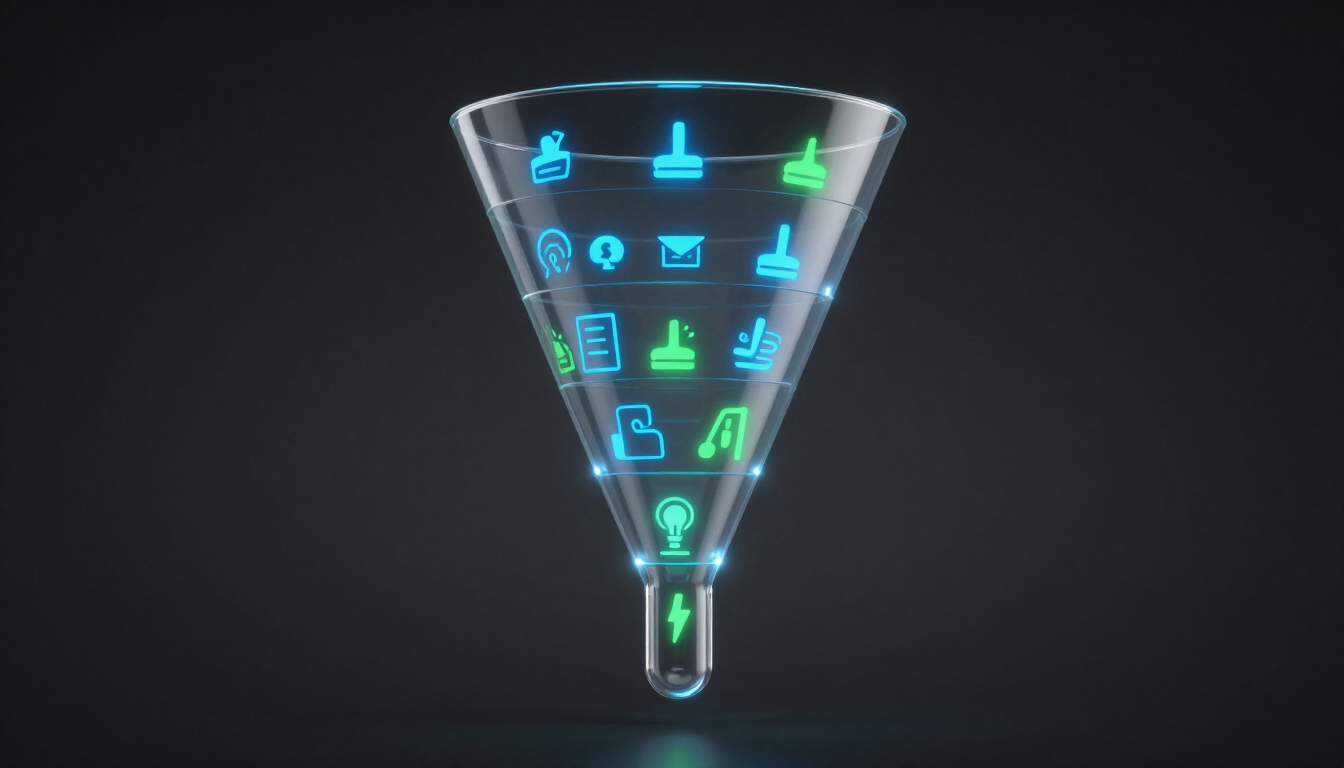
Digital Marketing Funnel Concept

How many times should a user see my banner ad?

The 'Rule of Seven' is a classic marketing principle suggesting a prospect needs to see an advertisement at least seven times before they take action. In the digital age, that number is likely even higher. This is known as 'effective frequency.'

If your ad only runs for a week, the average person in your target audience might only see it once or twice. This isn't enough to break through the digital noise. By running your ads over a longer period—typically 4 to 8 weeks—you increase the likelihood that your audience will reach that 'magic number' of impressions. However, there is a fine line; seeing the same ad too many times leads to 'banner blindness' or ad fatigue. Finding the sweet spot where your brand stays relevant without becoming annoying is a delicate balance that requires professional management and regular monitoring.

The Strategy of Creative Rotation and Testing

To keep a banner ad campaign effective over several months, you cannot rely on a single image or message. We recommend a strategy of A/B testing, where multiple versions of an ad run simultaneously.

  • Test different headlines: Does 'Save 20%' perform better than 'Get Your First Month Free'?
  • Vary the imagery: Do lifestyle photos of people using your product outperform product-only shots?
  • Change the CTA: Does 'Shop Now' drive more sales than 'Get Started'?

By rotating your creative every 4 to 6 weeks, you prevent ad fatigue and give the algorithm fresh data to work with. This iterative process is how you turn a campaign that is 'just okay' into a high-performing sales engine. It allows you to double down on what works while phasing out what doesn't, ensuring your budget is always being used efficiently. If you are unsure where to start with your creative strategy, our team is ready to help through a Free Website Consult Form .

Summary of Banner Ad Performance Timelines

Understanding the timeline of a banner ad campaign helps business owners stay the course during the critical early stages. Here is what you can generally expect:

  • Days 1–7: The Learning Phase. Expect high volatility and lower efficiency as the platform tests your ads.
  • Weeks 2–4: Optimization. You will start to see which creatives and audiences are performing best. This is where we begin to refine targeting.
  • Month 2: Consistency. The algorithm has stabilized. CTR and CPC should be predictable, and view-through conversions will begin to rise.
  • Month 3+: Peak Performance. With 90 days of data, you can scale your budget confidently and enjoy the cumulative effect of brand awareness.
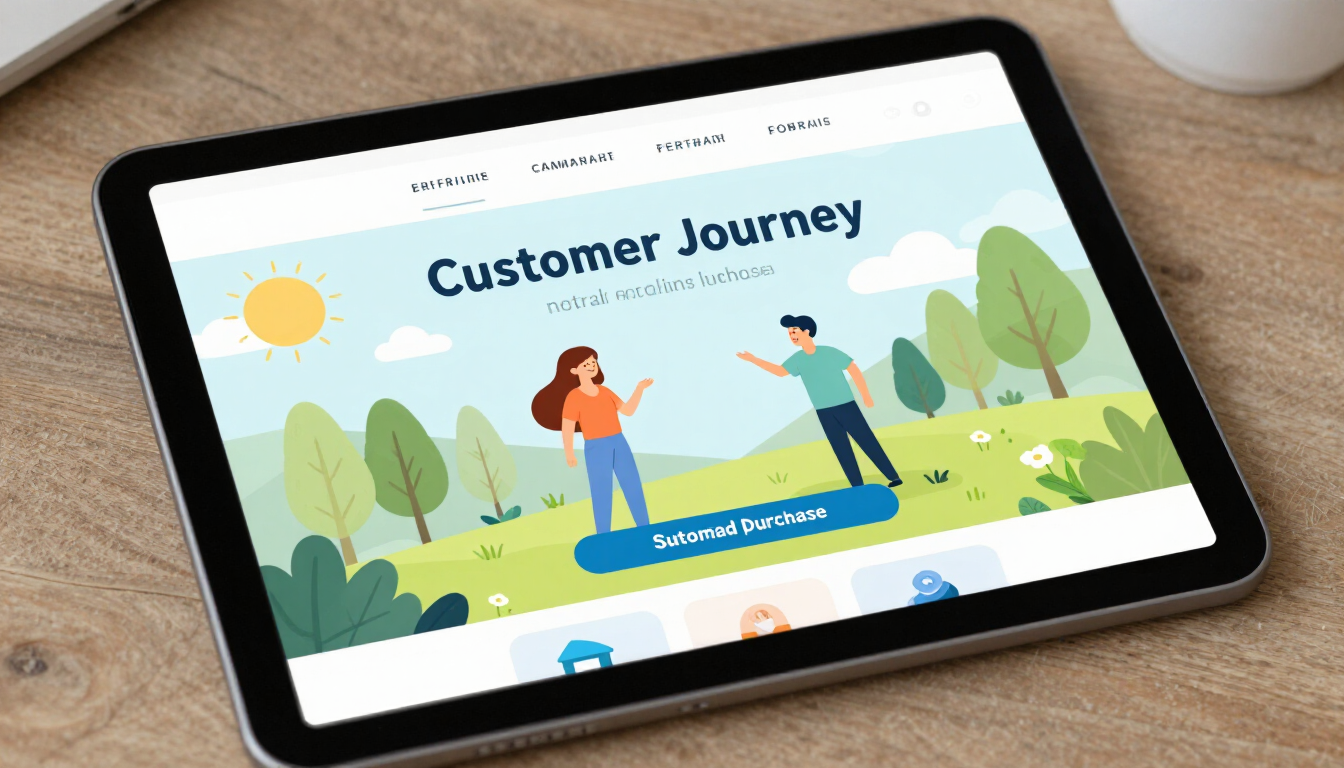
Customer Journey Illustration

Digital advertising is an investment in your brand's future. While it is possible to see a sale on day one, the true power of banner ads lies in their ability to build a presence that grows stronger over time. By combining strategic Website Design with a patient, data-backed advertising plan, you can turn your website into your most effective sales tool.

Core Takeaways for Business Owners

  • Commit to at least 90 days: Give the algorithms and the consumer journey enough time to work in your favor.
  • Focus on the landing page: Ensure your website is optimized for conversions so you don't waste clicks.
  • Track more than clicks: Monitor view-through conversions and overall brand lift to see the full value.
  • Refresh your creative: Avoid ad fatigue by updating your visuals and messaging every 4 to 6 weeks.
  • Trust the data: Make decisions based on multi-week trends rather than daily fluctuations.

If you are ready to stop guessing and start growing your business with a strategy built on 25 years of experience, Contact adPRO today. We specialize in helping local and national businesses achieve their goals through research-driven marketing.

It's Your Business, Let's Build it!

Recent Posts

Specialized team analyzing website ROI data on screens.
June 23, 2026
Evaluate the ROI impact of hiring specialized revenue-focused web design experts. Learn how strategic design drives leads and measurable business growth.

Professional local SEO experts working on business rankings
June 23, 2026
Discover how local search ranking experts can transform your small business visibility. Learn about Google Maps, AEO, and local SEO strategies for 2026.
Color palette swatches on a modern designer desk representing website color psychology
June 14, 2026
Master website color psychology to influence user behavior. This 2026 guide helps business owners choose colors that build trust and drive conversions.
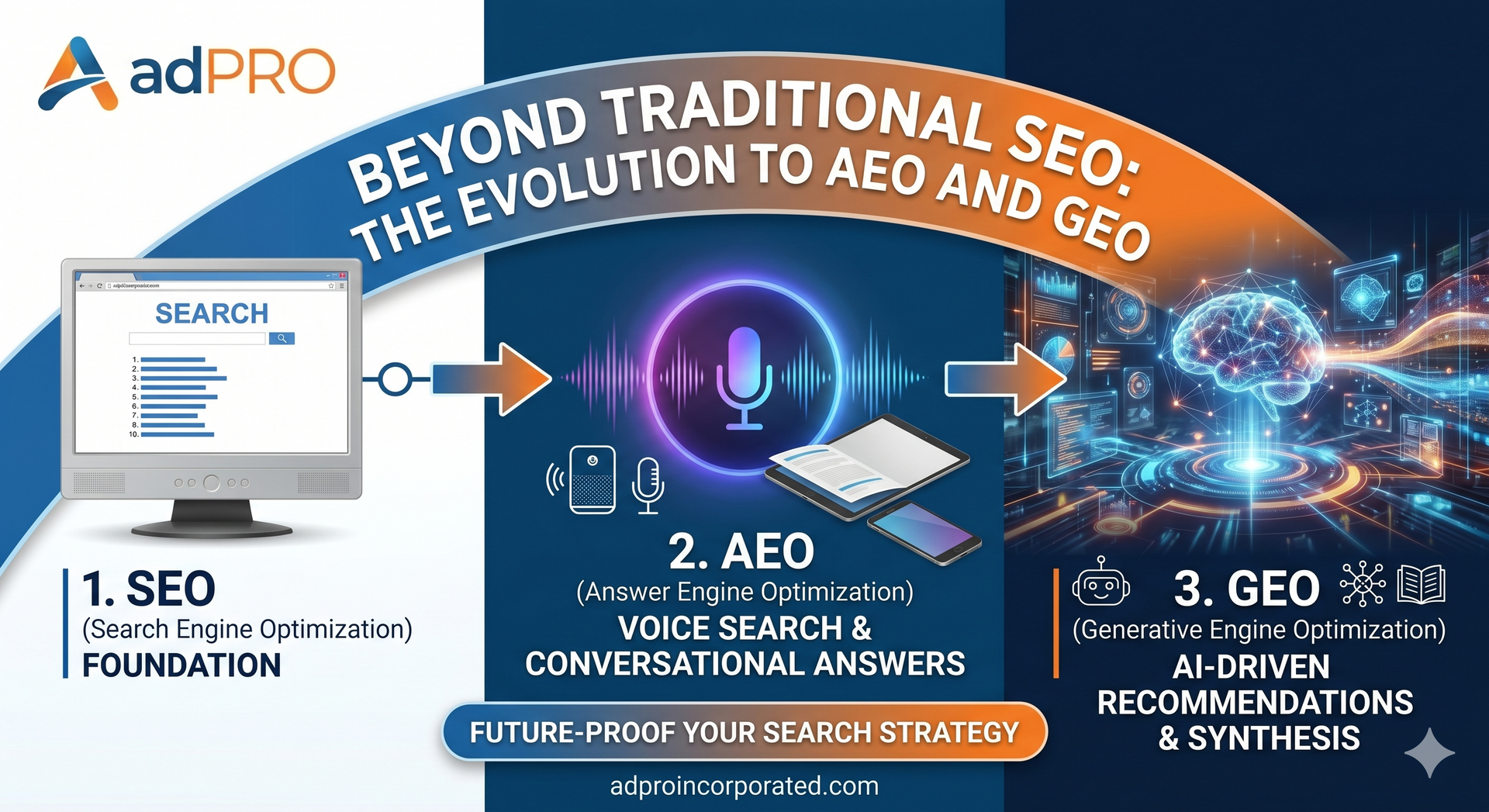
By Deborah Naugle June 12, 2026
Why Your Business Needs All Three: SEO, AEO, & GEO

A laptop showing SEO analytics and search engine results on a desk.
May 30, 2026
Can SEO help if you don't have a Google My Business profile? Learn how organic SEO drives traffic, & wins customers without a local map listing.

Organic growth seedling on a keyboard representing SEO progress.
May 30, 2026
Discover why search engine optimization requires 4-12 months to deliver results. Learn about authority, competition, and technical factors in this 2026 guide.
Web design wireframes on a computer screen
May 30, 2026
Unlock the 7Cs of web design to improve your site's UX, SEO, and conversion rates. Our guide covers Context, Content, Community, and more for 2026.

Digital representation of Generative Engine Optimization concepts with glowing connections.
May 30, 2026
Discover what GEO in SEO is and how Generative Engine Optimization helps your business rank in AI-driven search results. Learn strategies for 2026.

Answer Engine Optimization visualization on a computer screen
May 30, 2026
Learn what Answer Engine Optimization (AEO) is and how to optimize your business website for AI search engines like ChatGPT and Google Gemini.
Business comparison between DIY and professional agency marketing
May 30, 2026
Compare DIY marketing vs. hiring an agency. Learn which path delivers better ROI for small businesses based on cost, expertise, and long-term scalability.
Show More