

How Social Media Affects Your Career (5 Key Ways)
Social media affects your career by shaping your digital footprint, which recruiters and employers audit to assess professional fit. A positive online presence showcases expertise and networking skills, while inappropriate content or unprofessional behavior can lead to lost job opportunities, disciplinary actions, or even permanent career setbacks.
In today’s hyper-connected world, the line between your personal life and your professional identity has blurred significantly. Gone are the days when a paper resume was the only thing an employer used to judge your suitability for a role. Today, your digital presence—everything from your LinkedIn profile to your latest post on X or a casual photo on Instagram—serves as a secondary, and often more revealing, resume. Understanding how social media affects your career is no longer optional; it is a critical skill for any modern professional.
How does your digital footprint influence hiring?
Your digital footprint is the trail of data you leave behind on the internet. For many hiring managers, a quick search of your name is a standard part of the background check process. They aren't just looking for red flags; they are looking for a cohesive narrative that supports the claims you made during your interview. If you claim to be a leader in your field but have no presence on professional platforms, it might raise questions. Conversely, if your online presence is filled with industry insights and constructive engagement, it reinforces your credibility.
Recruiters use social media to evaluate soft skills that aren't easily captured on a CV. They look for your ability to communicate clearly, your level of emotional intelligence, and how you interact with others in a public forum. A candidate who participates in healthy debates and shares valuable content is often seen as a much lower risk than someone whose online activity is non-existent or purely antagonistic. In many ways, your social media accounts act as a window into your personality and work ethic before you even step into the office.
What are common social media mistakes that hurt careers?
While social media offers immense power for growth, it is also a minefield for potential blunders. Many professionals have seen their career paths derailed by a single ill-advised post or a series of questionable choices made years prior. Because the internet is permanent, a post you made in college could resurface just as you are reaching for a senior management position. Being aware of these common pitfalls is the first step in protecting your professional future.
- Sharing inappropriate or offensive content: This includes anything that could be interpreted as discriminatory, hateful, or overly provocative.
- Bad-mouthing former employers or colleagues: Venting about a toxic boss might feel good in the moment, but it signals a lack of discretion and loyalty to future employers.
- Posting about illegal activities or excessive partying: Content that suggests a lack of judgment or unreliable behavior is a major red flag for recruiters.
- Sharing confidential company information: Accidental or intentional leaks of proprietary data can lead to immediate termination and legal trouble.
- Engaging in heated political or social arguments: While everyone is entitled to an opinion, aggressive or polarizing behavior can make you seem difficult to work with in a team setting.
The professional benefits of social media engagement
It isn't all about risks, however. When used correctly, social media is one of the most powerful tools in your professional arsenal. It allows you to build a personal brand that precedes you. For small to medium businesses and their employees, staying active on social media can lead to new partnerships, client acquisitions, and career advancement. By consistently sharing industry news, personal milestones, and thought leadership pieces, you position yourself as an authority in your niche.
This is where Social Media Management becomes invaluable. Whether you are an individual or a business owner, managing your output ensures that every post serves a purpose. Networking is another massive benefit; platforms like LinkedIn and even industry-specific groups on Facebook or Discord allow you to connect with mentors and peers globally. These connections often lead to the "hidden job market," where roles are filled through referrals and digital networking rather than traditional job boards.
How to build an employer-ready social media brand?
Building a professional brand requires intentionality. It starts with an audit of your current profiles to ensure they align with the image you want to project. Ask yourself: if a potential employer saw this today, what would they think? Your goal is to create a digital persona that is authentic yet polished. This doesn't mean you have to be robotic; it means you should be mindful of how your personal interests and professional expertise intersect.
- Update your profile pictures: Use high-quality, professional-looking photos that clearly show your face.
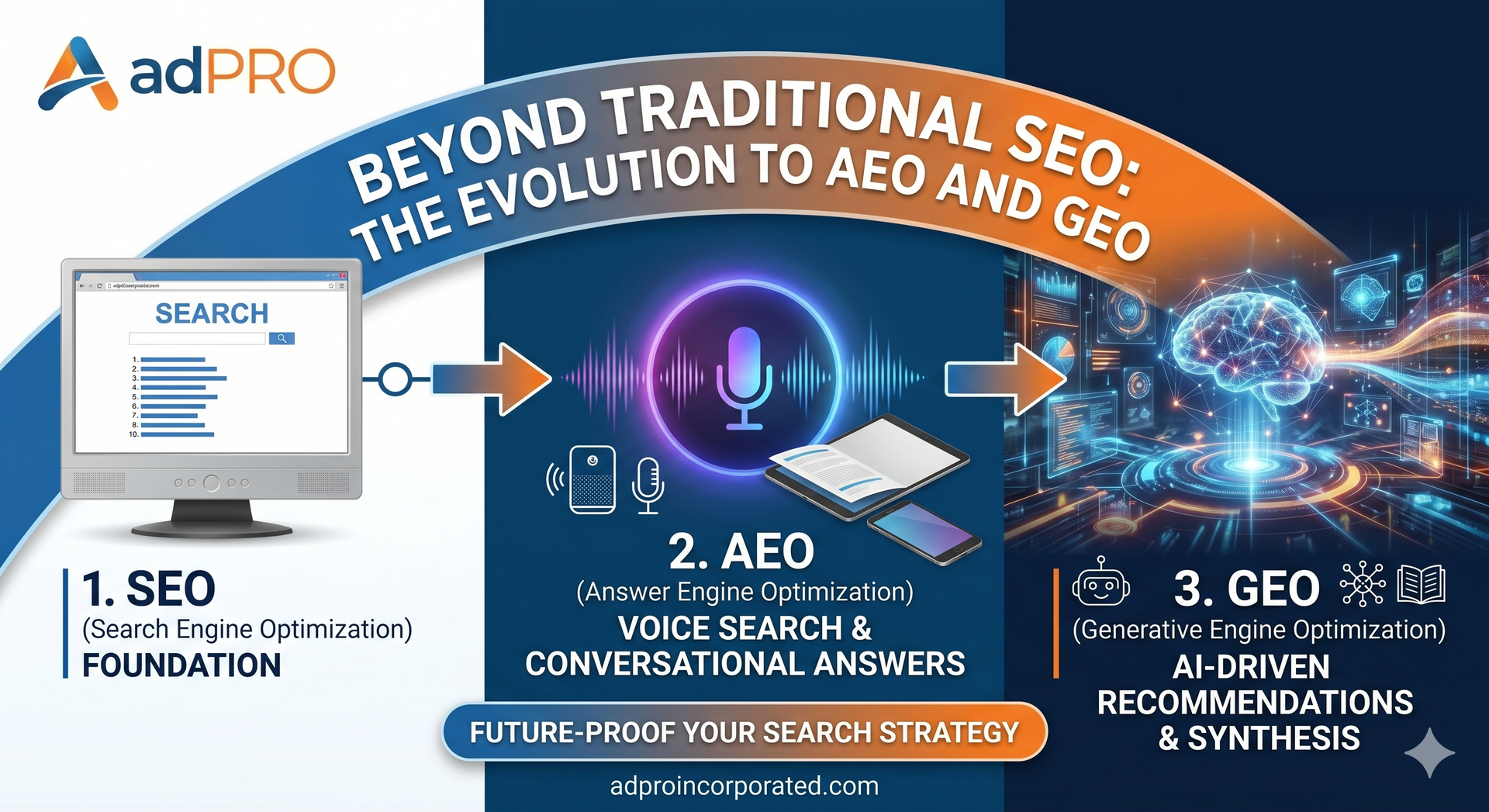
- Craft a compelling bio: Include keywords related to your industry to help you show up in searches, a concept similar to Search Engine Optimization .
- Curate your feed: Share content that reflects your professional interests and values regularly.
- Engage with industry leaders: Comment thoughtfully on posts by experts in your field to increase your visibility.
- Highlight your achievements: Don't be afraid to share certificates, awards, or successful projects you've completed.
Privacy settings and your professional reputation
One of the most effective ways to manage how social media affects your career is through the smart use of privacy settings. Not every part of your life needs to be public. You can maintain a strictly professional presence on LinkedIn while keeping your personal life on Facebook or Instagram behind a wall of privacy. However, you should never assume that "private" means "invisible." Screenshots are easy to take, and information has a way of traveling beyond its intended audience.
It is wise to perform a "digital scrub" every few months. Check your tagged photos, review your past comments, and ensure that your privacy settings haven't changed due to platform updates. Understanding the technical side of these platforms is part of a broader Digital Marketing and Advertising strategy for your own personal brand. If you wouldn't want it printed on the front page of a newspaper, it probably shouldn't be on the internet in any capacity, private or not.
Is having no social media presence a red flag?
In some industries, having absolutely no social media presence can actually be a disadvantage. While it avoids the risk of negative content, it also deprives you of the chance to prove your digital literacy and engagement. For roles in marketing, communications, or tech, a missing digital footprint might suggest that you are out of touch with modern trends. Recruiters may wonder why they can't find any information about you, leading to a sense of mystery that isn't always beneficial.
Instead of opting for a total blackout, a better strategy is to maintain at least one well-optimized professional profile. LinkedIn is the gold standard for this. Even a static profile with a good photo, a detailed work history, and a few endorsements provides the social proof that recruiters are looking for. It shows that you are a real person with a verifiable background, which builds trust before the first interview even happens. If you need help articulating your story, you can learn more about About Us and how we help businesses find their voice.
Strategies for long-term digital maintenance
Career success in the digital age requires ongoing maintenance of your online identity. It is not a "set it and forget it" task. As you grow in your career, your social media presence should evolve with you. The topics you discussed as an entry-level employee may no longer be relevant when you are a director. Regularly updating your skills, your bio, and your featured content ensures that your digital footprint accurately reflects your current level of expertise.
To keep your career on track, consider setting a quarterly reminder to review your accounts. This habit prevents outdated information from lingering and allows you to capitalize on new features platforms might introduce. By staying proactive, you transform social media from a potential liability into a lifelong career asset that opens doors and builds lasting professional relationships.
Summary and Key Takeaways
Social media is a double-edged sword that can either accelerate your career or halt it in its tracks. By understanding that your online behavior is a public reflection of your professional judgment, you can navigate these platforms with confidence and purpose. Whether you are a small business owner or an aspiring executive, your digital footprint is your most valuable marketing asset.
- Audit Regularly: Search for yourself online to see what recruiters see and clean up any unprofessional content.
- Be Authentic but Professional: Share your personality, but always through the lens of a professional who understands boundaries.
- Leverage Privacy: Use platform tools to separate your personal life from your public persona effectively.
- Engage Thoughtfully: Focus on quality interactions that showcase your expertise and industry knowledge.
- Consistency Wins: A steady stream of professional content is more effective than sporadic, unguided posting.
It's Your Business, Let's Build it!
We will get back to you as soon as possible.
Please try again later.