
5 Reasons Online Reviews Are the New Word-of-Mouth
Online reviews serve as digital word-of-mouth by providing the social proof necessary for modern consumers to make informed purchasing decisions. For small businesses, these reviews act as a primary trust signal that search engines and AI models use to determine local rankings, business credibility, and overall search visibility.
How have online reviews replaced traditional word-of-mouth?
Decades ago, if you needed a reliable plumber in Southern Maryland or a trustworthy mechanic in Calvert County, you leaned over the backyard fence and asked your neighbor for a recommendation. That was word-of-mouth in its purest form—a personal endorsement based on direct experience. Today, that "fence" has moved to the internet. Instead of asking one neighbor, we ask thousands of strangers through platforms like Google, Yelp, and Facebook.
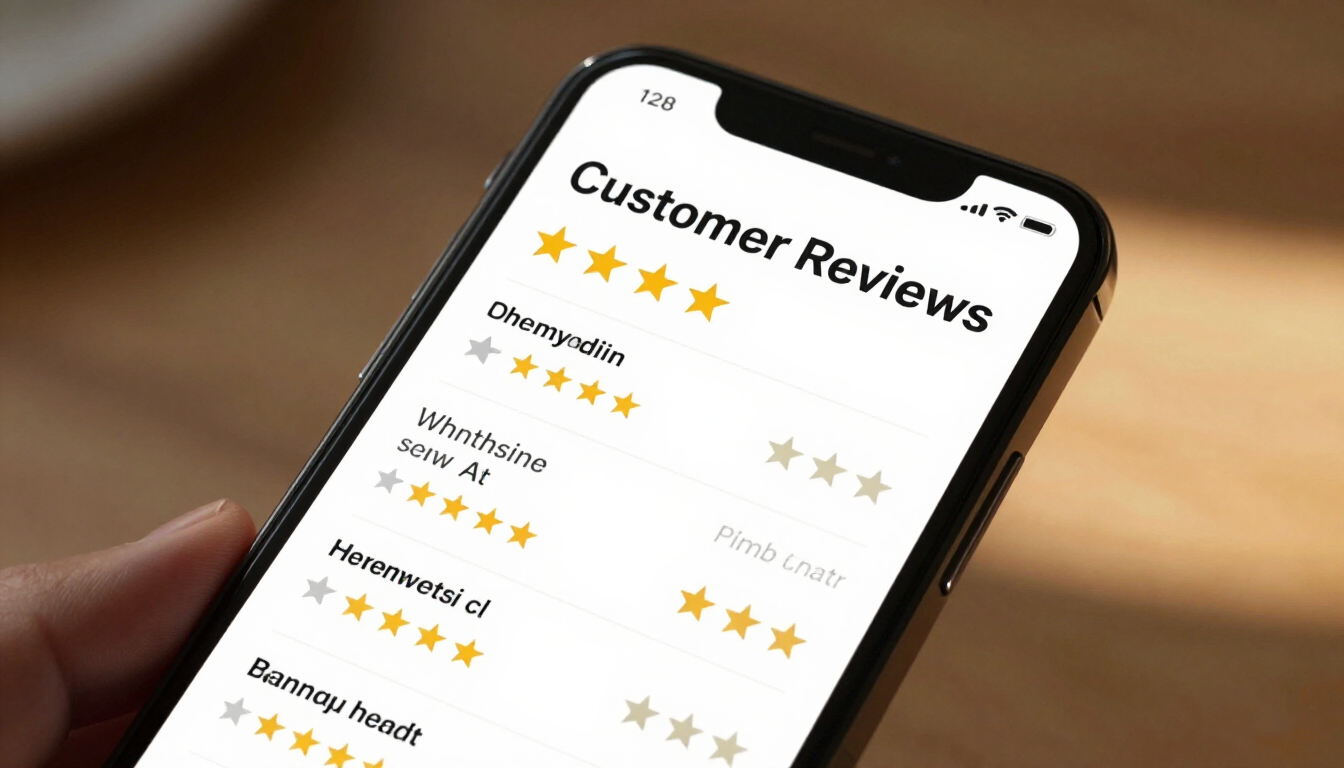
Online reviews have scaled the power of personal recommendation. They provide a transparent, permanent record of a business's performance that a simple verbal tip cannot match. When a potential customer sees a business with 200 positive reviews, they aren't just seeing stars; they are seeing a history of fulfilled promises. This shift is permanent. Research consistently shows that nearly 95% of consumers read reviews before making a purchase, and many trust these digital testimonials as much as they trust their own friends and family.
The psychology of digital social proof
Humans are naturally wired to seek safety in numbers. In the marketing world, we call this "social proof." It is the psychological phenomenon where people assume the actions of others in an attempt to reflect correct behavior for a given situation. When your business displays high-quality Reviews , you are signaling to the brain of the prospect that choosing you is a "safe" and "validated" decision.
This psychological shortcut is even more critical for small to medium businesses. Unlike global brands with multi-million dollar advertising budgets, SMBs rely on their reputation to bridge the trust gap. High-quality customer feedback serves several psychological functions:
- Reduces Perceived Risk: Seeing that others have had a positive experience lowers the fear of a bad investment.
- Establishes Authority: Expert-level reviews suggest you are a leader in your specific industry or local area.
- Creates FOMO (Fear of Missing Out): Enthusiastic reviews can make potential customers feel they are missing out on a superior service.
- Humanizes the Brand: Reviews often mention specific employees or experiences, making the business feel personal.
- Builds Transparency: A business that openly displays feedback is perceived as having nothing to hide.
Why do search engines prioritize online reviews?
Search engines like Google have one primary goal: to provide the user with the best possible answer to their query. If someone searches for "best website design in Maryland," Google wants to ensure the top results are not just businesses that say they are the best, but businesses that actually provide great service. Online reviews are the most objective data points Google has to verify this.
In the realm of Search Engine Optimization , reviews are a major ranking factor for local search. Google's algorithms look for the "three Rs":
- Recency: Are people leaving reviews lately, or is your last feedback from 2019?
- Rating: What is the average star count? (A 4.5 to 4.8 is often seen as more authentic than a perfect 5.0).
- Response: Does the business owner engage with the reviews, showing they care about customer service?
How do AI answer engines use customer feedback?
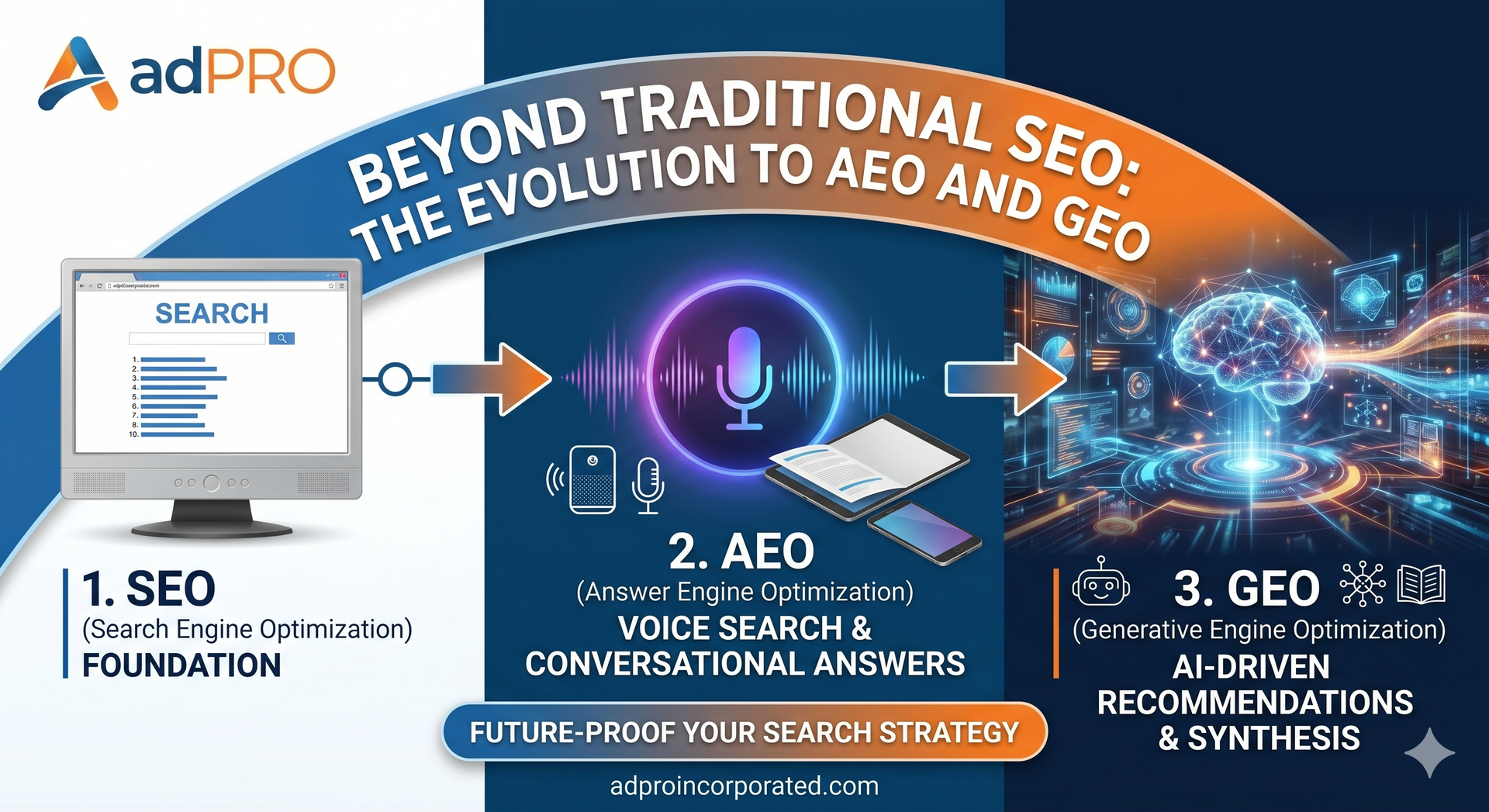
As we transition into the era of AEO and GEO Optimization , reviews have become even more critical. AI models, like those powering Google’s Search Generative Experience or ChatGPT, don't just look at star counts. They perform "sentiment analysis." They read the actual text of the reviews to understand the nuances of your business.
If multiple reviewers mention that your team is "responsive" and "knowledgeable about local SEO," the AI begins to categorize your business as an authority in those specific areas. When a user asks an AI, "Which marketing agency in Southern Maryland is most responsive?", the AI will scrape your reviews to find the answer. Without a steady stream of keyword-rich, positive feedback, your business may be invisible to the next generation of search.
5 Ways to get more customer reviews
Many businesses struggle with reviews not because their service is poor, but because they simply don't ask. You cannot leave your digital reputation to chance. You need a proactive strategy to ensure that your satisfied customers are actually speaking up. Here are five effective methods to boost your volume:
- Automate via SMS: Use Text Message Plans to send a quick link immediately after a service is completed.
- Simplify the Process: Provide a direct QR code on invoices or business cards that leads straight to your Google profile.
- Personalize the Ask: A personal email from the business owner often yields a much higher response rate than a generic template.
- Time it Right: Ask for feedback when the customer's excitement is at its peak—usually right at the point of delivery.
- Train Your Team: Ensure every employee knows that a review is the greatest compliment they can receive and how to ask for one.
What should you do about negative reviews?
One of the biggest fears for small businesses is the dreaded one-star review. However, a negative review is not a death sentence; it is an opportunity. In fact, a profile with a few less-than-perfect reviews is often viewed as more authentic than one that looks "scrubbed."
How you handle negativity tells potential customers more about your business than a hundred five-star reviews ever could. When you respond professionally to a complaint, you are showing future prospects that if something goes wrong, you will make it right. At adPRO, we believe in a strategy built on data and transparency, and that includes managing your reputation with grace and speed.
Best practices for managing your online reputation
Managing your digital word-of-mouth requires consistency. It is not a "set it and forget it" task. To maintain a healthy presence, you should follow these guidelines:
- Monitor Daily: Set up alerts so you know the second a new review is posted.
- Respond to Everything: Thank the positive reviewers and address the negative ones within 24–48 hours.
- Stay Professional: Never get defensive or argue with a customer in a public forum.
- Move Offline: If a review is complex or highly negative, provide a phone number to resolve the issue privately.
- Use Feedback to Improve: If multiple people mention the same issue, use that data to fix your internal processes.
Integrating reviews into your digital marketing strategy
Your reviews shouldn't just live on Google or Yelp; they should be a central part of your Digital Marketing and Advertising . When we build websites for our clients, we ensure that their social proof is front and center. This might mean embedding a live review feed on the homepage or creating a dedicated page for case studies.
By repurposing reviews into social media posts, email newsletters, and even print advertisements, you are amplifying the voice of your customers. This creates a virtuous cycle: great service leads to great reviews, which leads to better search rankings, which leads to more customers, who then leave more great reviews. This is how small businesses in Maryland compete with national giants—by winning the local trust game.
How does a review strategy impact your bottom line?
Ultimately, the shift from traditional word-of-mouth to online reviews is about ROI. For a small business, a high volume of positive reviews reduces the cost of customer acquisition. You spend less on aggressive advertising because your reputation is doing the heavy lifting for you. In a crowded marketplace, having the best reputation is often the deciding factor that moves a prospect from "just looking" to "ready to buy."
Online reviews are the new currency of trust. They influence everything from your visibility in AI-driven search results to the final decision a customer makes on your website. By treating your review profile as a critical business asset rather than an afterthought, you position your brand for long-term success in an increasingly digital world.
Summary: The Future of Digital Trust
In summary, online reviews have fundamentally replaced the backyard fence as the primary source of business recommendations. They provide the social proof necessary to build trust, boost your rankings in both traditional SEO and modern AEO, and ultimately drive higher conversion rates. To succeed in 2026, small businesses must actively solicit feedback, respond to all customer input, and integrate these testimonials into their broader marketing strategy.
Key Takeaways:
- Reviews are a top-tier ranking factor for local SEO and AI sentiment analysis.
- Proactive collection through SMS and automation is essential for volume.
- Professional responses to negative feedback can actually improve your brand's credibility.
- Digital word-of-mouth is permanent, scalable, and highly influential on purchasing behavior.
It's Your Business, Let's Build it!
We will get back to you as soon as possible.
Please try again later.