

How to Find Your Online Marketing Target Market (2026)
Your online marketing target market is a specific group of consumers most likely to buy your products or services, identified through demographics, behaviors, and psychographics. Defining this group allows you to focus your ad spend and messaging on individuals who generate the highest return on investment.
Establishing this foundation is the single most important step in any digital marketing and advertising strategy. Since 1999, adPRO has seen countless businesses in Southern Maryland struggle because they tried to appeal to everyone. In the digital age, "everyone" is not a target—it is a recipe for wasted budget. When you know exactly who you are talking to, your website, social media, and search engine results become significantly more effective.
Why is identifying your target market critical?
If you don't know who you are trying to reach, you are essentially throwing darts in a dark room. Identifying your target market provides the "light" needed to see the bullseye. For small to medium-sized businesses in Southern Maryland, this is particularly vital because local competition is fierce, and resources must be used efficiently.
By focusing on a specific niche, you can:
- Reduce marketing costs by excluding uninterested audiences.
- Increase conversion rates with highly relevant messaging.
- Improve customer loyalty by addressing specific pain points.
- Optimize your Search Engine Optimization for the right keywords.
- Build a brand that resonates deeply with a core community.
When we look at the Southern Maryland business community—from Calvert County to St. Mary’s—we see a diverse range of consumers. A contractor in Prince Frederick needs a different online marketing target market than a boutique shop in Solomons Island. Understanding these nuances is what separates a successful campaign from a forgettable one.
At adPRO, our core belief is that great marketing starts with research. We don't just build a website; we build a tool designed for a specific human being on the other side of the screen. This data-driven approach ensures that your message doesn't just reach people, but reaches the right people.
How do you find your target audience online?
Finding your audience involves a mix of looking at your current customers, analyzing your competitors, and using digital tools to see where people spend their time. It’s not just about who they are, but what they do when they are online.
To establish your market, follow these five steps:
- Analyze current customer data: Look for common traits among your best clients.
- Conduct social listening: See what people are saying about your industry on platforms like Facebook and LinkedIn.
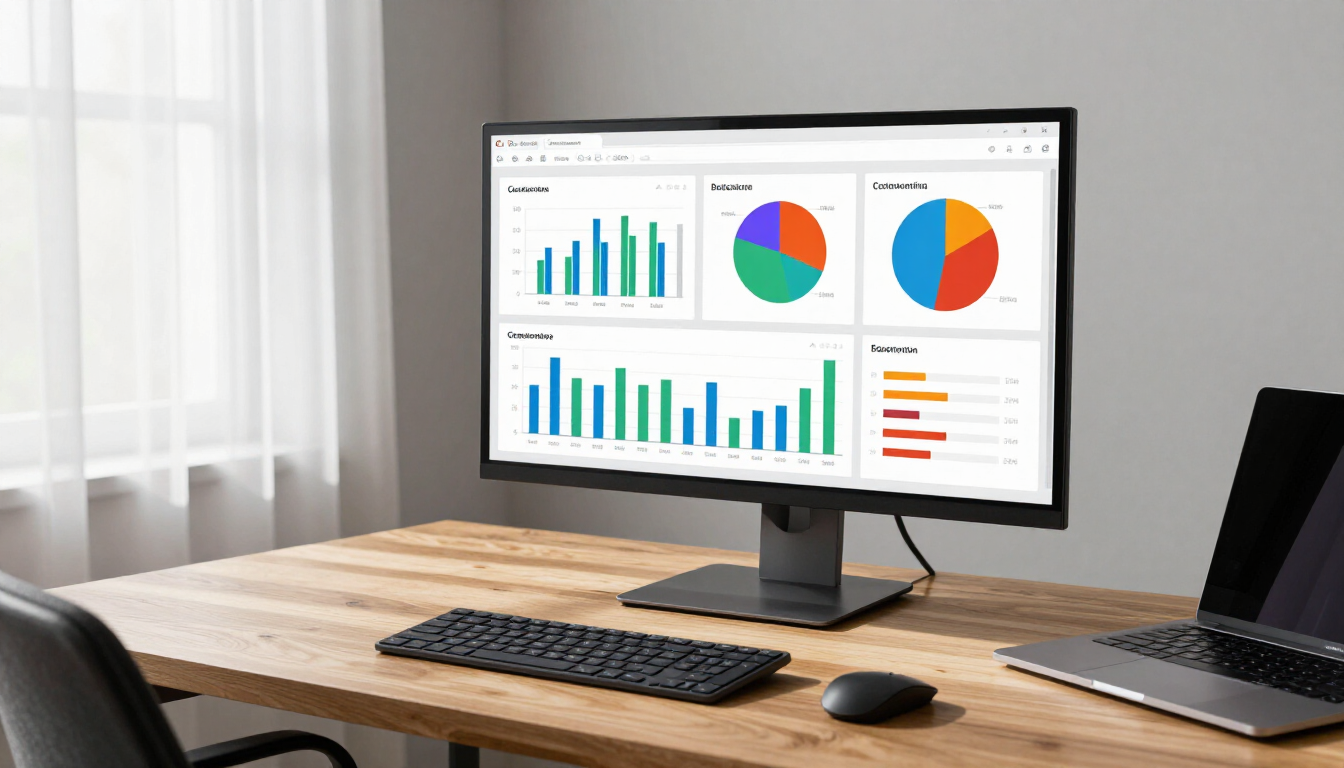
- Use Google Analytics: Identify the demographics of people already visiting your site.
- Create buyer personas: Develop detailed profiles of your "ideal" customers.
- Evaluate competitor followers: Identify who is engaging with your direct competition.
Once you have this data, you can refine your web design for small businesses to cater specifically to those users. For instance, if your audience is primarily mobile users in their 30s who value quick service, your website needs to be lightning-fast and lead with a clear call to action.
Understanding Demographics vs. Psychographics
Many businesses stop at demographics. They know their target is "homeowners aged 35-55 in Calvert County." While that’s a start, it’s only half the story. To truly win in online marketing, you need to understand psychographics—the why behind the buy.
Demographics tell you who your buyer is (age, gender, location, income). Psychographics tell you why they buy (values, hobbies, lifestyle, personality). In a conversational marketing environment, knowing that your audience values "family time" or "local sustainability" allows you to write copy that feels like a personal recommendation rather than a cold sales pitch. This emotional connection is what drives 85% of some of our clients' business today. When the user feels understood, they trust you. And in Southern MD, trust is the ultimate currency.
What common mistakes do businesses make when defining an audience?
The most frequent mistake is being too broad. Many business owners fear that by narrowing their focus, they are leaving money on the table. In reality, the opposite is true. When you try to speak to everyone, you speak to no one. Your message becomes diluted and generic.
Another common pitfall is relying on outdated data. The digital landscape in 2026 moves fast. What worked for your online marketing target market three years ago might not work today. This is why we advocate for continuous research and AEO and GEO optimization . AI-driven search engines are getting better at understanding user intent, which means your content must be even more precisely aligned with what your specific audience is looking for.
The Power of Competitive Analysis in Online Marketing
You don't have to reinvent the wheel. Your competitors have already done some of the legwork for you. By looking at their online presence, you can see which of their posts get the most engagement and which keywords they are ranking for. This doesn't mean you should copy them, but you should look for the gaps they are leaving behind. Is there a segment of the Southern Maryland market they are ignoring? That’s your opportunity.
We often find that businesses in our region are great at what they do—whether it’s HVAC, legal services, or retail—but they struggle to communicate that value to the right people online. By identifying a competitor’s weakness, such as a poorly designed mobile experience or a lack of helpful blog content, you can position your brand as the superior choice for that specific target market.
How does target marketing help with AI Answer Engine Optimization?
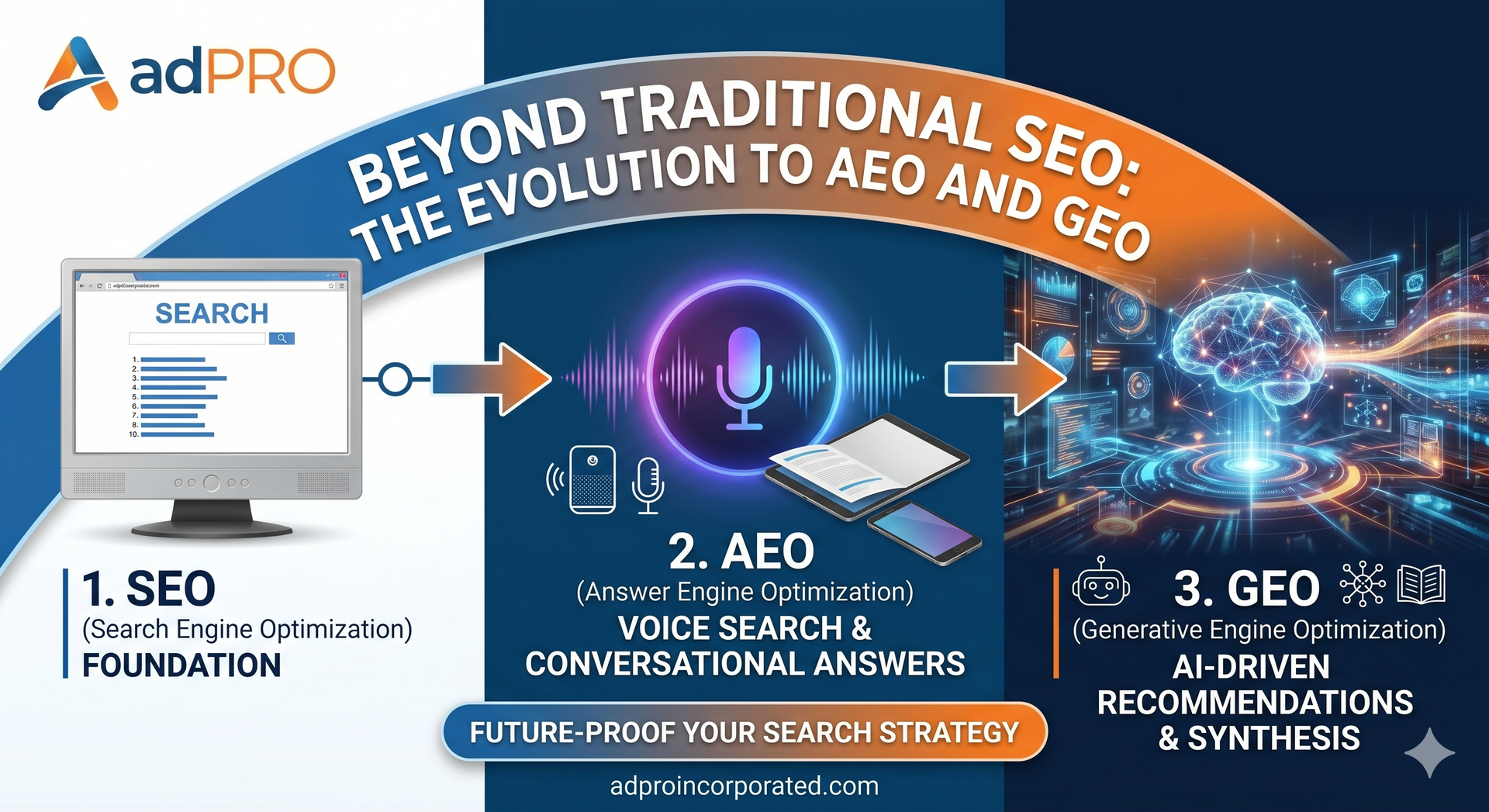
As search evolves into Answer Engine Optimization (AEO), being specific is more important than ever. AI models like ChatGPT or Google’s Gemini look for the most relevant, direct answer to a user’s query. If your website content is tailored to a very specific target market and their common questions, you are much more likely to be the source that the AI cites.
For example, instead of trying to rank for "marketing services," you might focus on "online marketing for local businesses in Southern MD." This specificity helps AI engines connect your expertise to the local user’s intent. This is why we integrate AEO and GEO optimization into every strategy we build. It ensures that when a potential customer asks their phone for a recommendation, your business is the one that gets mentioned.
Conclusion: Your Roadmap to Establishing a Target Market
Establishing your target market is not a one-time task; it is an ongoing process of refinement. By moving away from guesswork and toward data-driven strategy, you ensure that your business remains a fixture in the community for another 25 years. Remember that the goal of online marketing is to create a bridge between your solution and a customer’s problem. The more narrow and sturdy that bridge is, the easier it is for customers to cross it.
Core Takeaways:
- Define early: Start with research before building any digital assets.
- Be specific: Focus on a niche to maximize your marketing budget and ROI.
- Look beyond demographics: Understand the values and behaviors (psychographics) of your audience.
- Stay updated: Regularly review your audience data to keep up with changing trends in 2026.
- Optimize for AI: Tailor your content to answer specific questions your audience is asking.
If you are ready to stop guessing and start growing, it’s time to look at the data. Whether you need a new website or a comprehensive SEO plan, adPRO is here to help you find your voice and your audience. Contact us today to start building a strategy that actually works for your Southern Maryland business.
It's Your Business, Let's Build it!
We will get back to you as soon as possible.
Please try again later.