






Website Design & SEO News banner with purple laptop, magnifying glass, and analytics charts
October 13, 2026

5 Social Media Metrics That Drive Growth

Social media metrics show whether your content is reaching the right people, prompting meaningful engagement, sending qualified visitors to your website, and generating leads or sales. The most useful measures connect social activity to business outcomes—not simply follower counts, likes, or impressions—so you can invest in what actually drives growth.

Why do social media metrics matter more than follower counts?

A larger audience can make a report look successful while producing little business value. Followers may be inactive, outside your service area, or uninterested in what you sell. Social media marketing becomes more effective when measurement follows the customer journey:

  • Discovery: Did the right audience see your content?
  • Interest: Did people engage with or save it?
  • Consideration: Did they visit your website or review a service?
  • Action: Did they call, submit a form, request a quote, or buy?

This approach helps separate visibility from progress. A post with fewer impressions may be more valuable if it attracts local prospects who become customers.

For a broader strategy, review adPRO’s social media management services and connect them with digital marketing and advertising .

Social media metrics connected to website traffic and customer actions

5 social media metrics that reveal business growth

1. Qualified reach and impressions

Reach measures how many people saw your content. Impressions measure how many times it appeared. Both are useful for understanding awareness, but neither proves that the audience was relevant.

Evaluate reach by asking:

  • Are viewers located in your service area?
  • Do they match your ideal customer profile?
  • Are specific campaigns reaching new prospects?
  • Is frequency high enough for people to remember your brand?

For a local business, 2,000 relevant views can be more valuable than 20,000 views from people who cannot become customers. Pair platform data with website analytics to understand whether visibility is producing visits.

2. Engagement quality

Engagement rate measures interactions relative to reach or impressions. Likes provide a basic signal, but comments, shares, saves, profile visits, and direct messages often reveal stronger interest.

High-quality engagement can include:

  • A prospect asking about pricing or availability
  • A customer sharing a helpful post with a friend
  • Someone saving a service explanation for later
  • A local user visiting your profile and clicking your website

Track the type of engagement, not just the total. A post with fewer reactions may generate more serious conversations than a popular entertainment post.

3. Website clicks and engaged sessions

Website traffic is the bridge between social attention and owned marketing assets. Measure link clicks, landing-page visits, engaged sessions, time on page, and the next action visitors take.

Use campaign-specific links when possible so you can identify which platform, post, or promotion sent the visitor. Then compare social traffic with traffic from search, advertising, and referrals.

Your website must make the next step obvious. A clear service page, concise proof points, mobile-friendly design, and visible contact option help turn interest into opportunity. See website design and our web design process for more context.

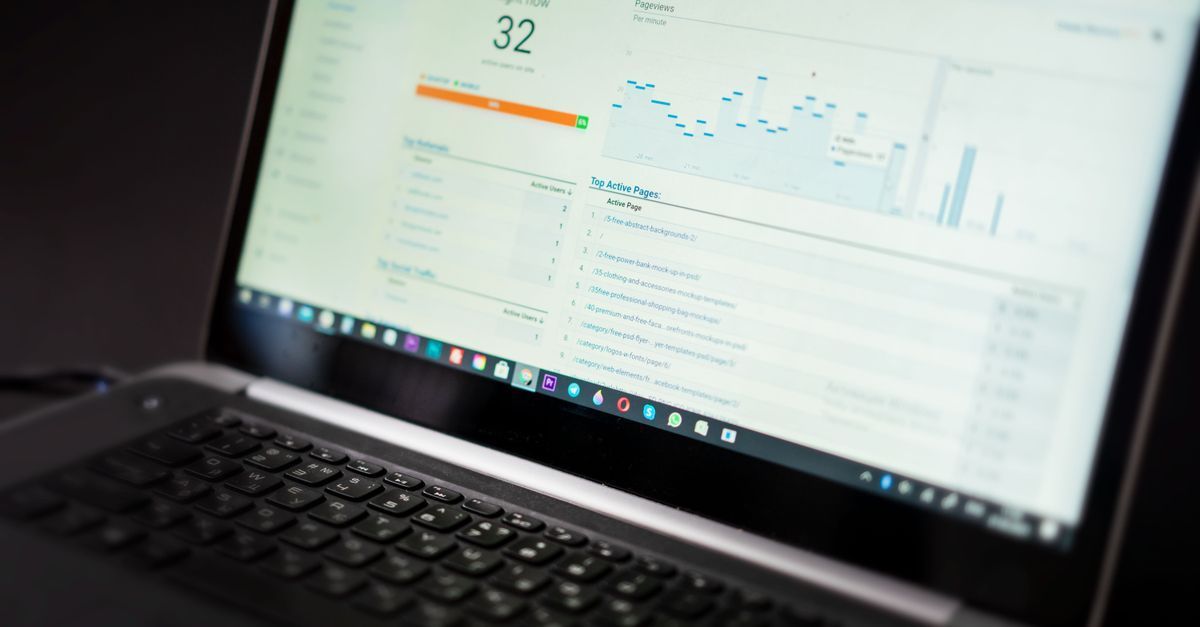
Business website analytics showing social referral traffic and conversions

4. Leads and conversion rate

A conversion occurs when a visitor completes a valuable action. Depending on your business, that may be a phone call, contact form, consultation request, appointment, download, or purchase.

Track both conversion volume and conversion rate:

Conversion rate = conversions ÷ visits × 100

A campaign that generates 50 clicks and five inquiries may be more effective than one that generates 500 clicks and two inquiries. Record the source of each lead and, when possible, whether it became a qualified opportunity or customer.

For businesses that depend on calls or quote requests, tracking only likes and clicks leaves the most important part of the journey invisible.

5. Revenue and customer acquisition cost

Revenue is the clearest test of marketing performance, although it can take time to connect a social interaction to a sale. Track campaign cost, qualified leads, customers acquired, average customer value, and return on investment.

Customer acquisition cost can be calculated as:

Customer acquisition cost = campaign cost ÷ new customers

This number helps you compare social campaigns with Google Ads , search engine optimization, email, and other channels. A social campaign may be worthwhile even when it does not produce immediate sales if it consistently creates qualified demand at an acceptable cost.

How should you measure the customer journey?

Start with one business goal and assign metrics to each stage. Avoid building a report filled with numbers that nobody uses.

  1. Choose the outcome: Define whether the campaign should generate awareness, website visits, leads, appointments, or sales.
  2. Select supporting metrics: Choose one or two measures for reach, engagement, traffic, and conversion.
  3. Set up tracking: Use analytics, campaign links, platform reporting, call tracking, and form-source fields where appropriate.
  4. Create a baseline: Review recent performance before setting a target.
  5. Review and improve: Compare results by audience, platform, content type, offer, and landing page.

A monthly review is often enough for an ongoing program, while active promotions may need weekly checks. The goal is not to react to every daily fluctuation; it is to identify repeatable patterns.

Common measurement mistakes

Several reporting habits make social media performance look better or worse than it really is:

  • Treating followers as customers
  • Reporting impressions without audience relevance
  • Counting every click as a qualified lead
  • Ignoring website behavior after the click
  • Changing multiple campaign variables at once

Also watch for attribution gaps. People may see a social post, search for your business later, and then contact you through your website. Use platform data and website analytics together rather than assuming one report tells the entire story.

A strong website and discoverability strategy make measurement more useful. Explore search engine optimization and AEO and GEO optimization to help customers find and understand your business beyond social platforms.

Marketing team reviewing social media metrics and business growth goals

What should a social media report include?

A practical report should be short enough to use and detailed enough to guide decisions. Include:

  • The campaign or reporting period
  • Goal and target audience
  • Reach, engagement quality, and website traffic
  • Leads, conversions, and estimated revenue
  • Best-performing content and landing pages
  • One recommended action for the next period

Do not bury the recommendation beneath charts. Decision-makers need to know what happened, why it matters, and what should change next.

The bottom line

The best social media metrics connect attention to action. Reach and engagement help you understand awareness and interest, while website visits, leads, conversion rate, revenue, and acquisition cost show whether that attention supports growth. Review performance by audience and customer journey—not by vanity numbers alone. Start by choosing one business goal, establish a baseline, and track the few metrics that influence your next decision. If your social activity is not leading people toward a useful website experience, it may be time to evaluate your content, web design, SEO, and measurement system together.

It's Your Business, Let's Build it!

Recent Posts

Professional SEO review showing website performance gaps and customer opportunities
October 13, 2026
A professional SEO review reveals technical, content, and local search gaps that send customers to competitors. Learn what to check and what to do next.

Local SEO strategies for Southern Maryland businesses
October 13, 2026
Effective local SEO strategies for Southern MD businesses, including Google Business Profile, local content, reviews, citations, and conversion-focused websites.

How to advertise on a shoestring with a practical low-budget marketing plan
By Deborah Naugle • October 13, 2026
How to advertise on a shoestring with practical, low-cost tactics for local businesses, from Google Business Profile and content to referrals and smart measurement.

marketing plan template
By Deborah Naugle • October 13, 2026
Learn the 10 keys to a marketing plan that works, from setting goals to tracking results. Download adPRO’s free marketing plan template.

Low-quality website posts being filtered from a professional business website
By Debbie Naugle, adPRO • September 15, 2026
Repetitive, generic website posts can weaken trust and SEO. Learn how to identify spammy content and build a stronger content strategy.
google showing report for seo
By Deborah Naugle • September 14, 2026
SEO isn't a one-time setup. Learn why algorithm changes, competitor activity, and evolving search behavior make ongoing SEO essential for small businesses.

A high-converting PPC landing page design on a laptop screen.
June 27, 2026
Discover why landing pages are crucial for PPC success. Learn how dedicated pages lower ad costs, improve Quality Scores, and skyrocket conversion rates in 2026.

Specialized team analyzing website ROI data on screens.
June 23, 2026
Evaluate the ROI impact of hiring specialized revenue-focused web design experts. Learn how strategic design drives leads and measurable business growth.

Professional local SEO experts working on business rankings
June 23, 2026
Discover how local search ranking experts can transform your small business visibility. Learn about Google Maps, AEO, and local SEO strategies for 2026.

A digital marketing dashboard showing banner ad statistics and conversion metrics.
June 14, 2026
Learn how long a banner ad needs to run to generate clicks and sales. Discover factors influencing performance and timing for digital advertising success in 2026.

Show More